4 insights to consider when building a customer profile

Customer profiles

So you have had the idea, researched the market and developed the perfect product. Now all you have to do is stick it online, put it in the shop window and chuck some budget into advertising or social media in order to start selling, right?

From my experience this is where most businesses further down the line begin to struggle and either see sales stagnate or drop off. It’s after you know who your customers are and what they want, that will give you the power to truly start growing your business.

If you’re busy and can read no further then just take note that Customer Profiling is not just about gathering data, but about building long-term, loyal relationships with people.

If you already have lots of data then you need to consider segmentation but I will explain that one in my next blog.

Your customers are precious and they will teach you more about what your product or service should be offering. This group will deliver insights that can be adapted and used to create an effective lead generation strategy. In short more sales leads!

So what is the information you need?

Apart from contact details, if you can segment the knowledge you have about your customer profiles then you can begin planning a marketing strategy that will generate leads and in time more customers.

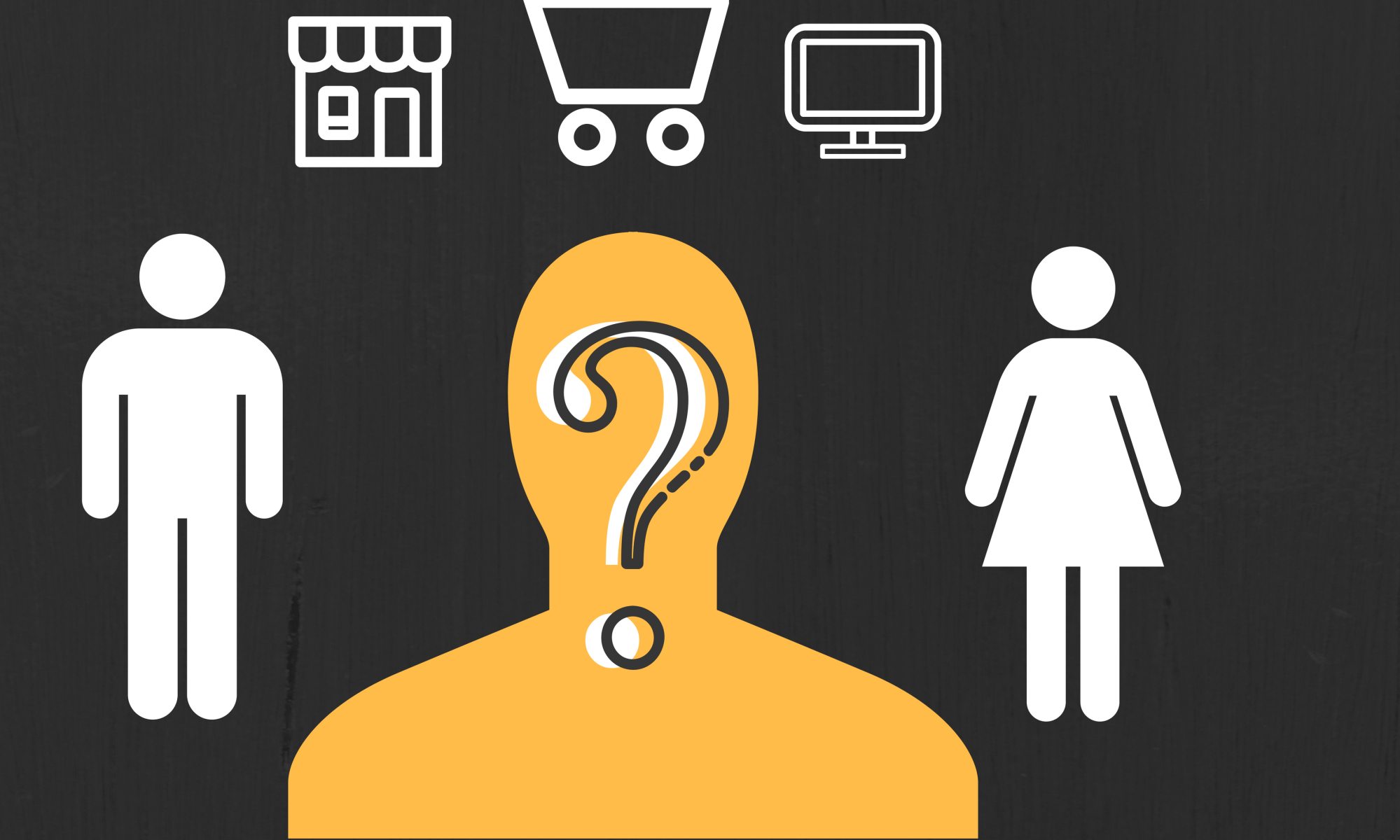
There are four key categories of information to consider when profiling. When you have a greater understanding of how they think and what help they need then you can begin to communicate directly to retain this customer base but equally open discussions with the wider audience.

1.Geographic: 

Where are they in the world? The location of your customers can influence big business decisions. Whether you opt for a shop front in the high street or offer a bespoke, one to one service to focusing with online retail, or all three! In addition think about the communication strategy and how you deliver your message. A one day seminar in Brisbane is no good to anyone if the majority of your customers live in Europe, and in this case consider the world of webinars from a lead perspective.  Or what about if your product is fresh and can’t be delivered within 24 hours but your fan base on Instagram in another country. Do you try to go global or consider marketing the recipes to grow the brand and test the market.  The location of your customers will help you to create tailored campaigns that are relevant to your audience. Don’t be afraid to go viral locally if it makes more sales!

2.Demographic: 

What age are they and what do they do for a living ? Knowing what stage in life your audience is at can be relevant for many reasons and can help deduce if your product will be a one-off purchase or have a longer term sales offering.

Consider a Luxury good, like champagne, a product like this may have mass appeal, but the likelihood for sales will be smaller. Aspirational to a younger market but with higher price margins less frequently purchased. While an older audience with more disposable income are likely to purchase more regularly.

Demographics are essential to creativity and help keep a brand focused and current. You need to keep up with your customer and what they want.

NG10 TIP: When it comes to advertising to a specific age group, don’t think literally think about what age appeals to that group, ” how old do you think you are”. One tip I learnt while marketing retirement properties was to appeal to the right age group you need to consider knocking at least 10 years off. In order to sell to the dependent 70+  customer we would show imagery of much younger persona, in this case younger models who were 55+ were used in creative.

3.Psychographic 

Harder to uncover but lifestyle and social class can often be found using surveys or generated based on other third-party profiling. for example you can tell a lot about a person by their postcode and lot of brands today use national regional data to discover more about their market. How is this relevant? Well if you know more about what they like and want interests they have you may find the common ground for a relationship. For example if your product offers a health benefit as well as tasting great, your poster at the local leisure centre should lead with the first message, but if the customer commutes every morning on the underground then think about the how tasty the image needs to look to kick off the skipped breakfast, feeling hungry question!  Situational content will appeal to the consumer when it comes to using outbound or traditional marketing mechanics.

4.Behavioural 

Lastly this is essential so that you can understand how loyal a customer may be and whether a strategic brand campaign will have more impact than jumping straight to discounting the price. Studies have shown certain age groups to be more trusting and brand loyal when it comes to the finance or banking industry but more price conscious when it comes to eggs.  A good pricing and brand strategy is essential at this point when it comes to talking to your customers. You don’t want to discount your price thinking you’ll build brand loyalty, in fact it does more harm and can put your product on the discounted aisle forever.

If this is something you would like to know more about or help with then get in touch with me today and  let me help you to identify your true customer.

Click here to get in touch Hazel@ng10marketing.co.uk
Get online and be found. Tips for planning a digital profile.

When you start any business today it is essential that you consider an online presence so that you can be found. With 85% of searches for contact details being carried out on mobiles it is no wonder some businesses are just going to get left behind if they don’t keep up. But before we talk Desktop vs Mobile or Apps, where is best to start?

The first step is to think about what purpose your website will have. A good place to start is with how your clients or customers buy from you and how do you win new business . If you are selling an exclusive niche service or product that requires more paperwork or one to one sales meeting then you may just need a presence online that offers details of what you do and how to find you, but if you have a product or service that can be bought online then you will need to think about what kind of shop you build.  There are many free tools and software available to help you create your profile and the good news is that it need not cost a small mortgage. But remember that like a property your website will need updates and maintaining so it it always good to squirrel away budget each year purely for your digital profile.

Today there are many open framework platforms like WordPress that allow you to get creative and build your own.  But if you are looking for the next big thing or offer a service that needs customising then i would suggest seeking out one of the many professional freelancers or agencies in Nottingham. For me at NG10 I would humbly say that this blog is all I need right now, to share my wisdom and thoughts. Although I am still yet to publish the latter thankfully!

However if you are going to brave the challenge and get your IT skills to work then perhaps i can give you some things to consider before you start.

Begin planning what you want to include in your site and don’t be afraid to tell people who you are and why your business exists. Trust is one of the most important factors when building a site and you want your visitors to feel safe using the site for any reason.

Step 1 – Planning is key. Map out your content with the user in mind. Include text, images, video that tell your story and answers the questions they have. In some cases this is your silent sales person ( unless you add a live chat feed!), and you don’t want to bore them into bouncing out of your site. Don’t forget to consider the content like imagery. While you may not have a David Bailey eye for photography there are some great libraries where stock imagery is free or can be purchased. Always check the rights before you use an image. Take a look at other sites as well as your competitors and see how you can make your better for the target customer.

Step 2 –  Functionality is so important when designing and building your website, especially if you are looking to brief a developer. Be clear about what you want the User to be able to do and what you want to have control of. Most free software comes with a CMS ( Content Management System)  which allows you to edit your own content and add pages etc. Remember that bespoke builds while might give you the unique customer journey may hinder you later should things change. Another reason to have that website fund each year.

Step 3 – Management. So who is responsible for the updates and making sure the site works. As I mentioned earlier it is important to think about the website as another sales person in the business except their voice is now yours. Keeping the content up to date and relevant should be part of the business like cake every Friday.  Your website plays an important role and is integral to your lead generation strategy as well as driving your  brand awareness online. Updates can be sporadic or frequent it all comes down to what you have to say and who is listening.

Step 4  – Promotion. So you have built the site and populated it with all kinds of interesting and engaging details, but unfortunately there are another few steps you need to think about. First don’t forget to index your site on Google and other search engines. This is essential if you are to be found organically. Secondly think about both on and off line promotion of the site. Add the domain to your social media channels, to your signage on the front door and to all the free listings you can find!

Want to see one that I prepared earlier?

Check out this new site for PJS Consulting Engineers  in Mansfield. The brief was to produce a corporate site that promoted their core services, showcased project work and would allow a news feature to keep their audience up to date with their progress.  I helped to co-ordinate and deliver the project which involved working collaboratively with other freelancers in Nottingham. The design is  One Studio, it was developed by Bexon Interactive and all managed by NG10 👏🤓

So, if you are looking to design and build a website but need some additional help mapping out the content, deciding what to use or even just want someone to simply  manage the project for you then give me a call and lets talk digital!


Do you pick a logo by choice or should it be chosen for you?

You have chosen the name and now you need a logo. Ok, so this is where you need a little more creative and my advice is to use one if you have the budget. Choose a freelancer or an agency depending on what you are looking to achieve.

But how do you get started?

A logo is more than just your corporate identity and should mean something, so consider it as an investment in the business. It will be everywhere and it should be something you stand by.  You can cut corners at this stage and just chose a colour and font, but trust me take some time and think about what it will mean to your customers in the long run. Think about the brands that you love and consider how they make you feel, why do you always reach for Colgate over the own label for example? A logo captures the values of a buisness and can influence your purchase without your customer even realising it. If you invest in good creativity it will make all the difference.

graphic designer
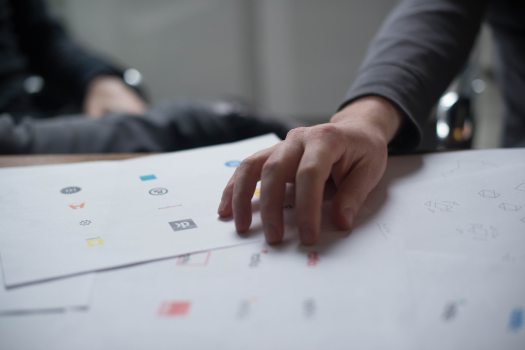
Use a graphic designer to help create your logo. Image courtesy of Pexels.com

I have worked with many wonderful creative people in my career and there is one rule you need to remember: Give a clear brief. In fact the best thing you can do is to write it down, you can never give them too much information at the start, however try to answer these 4 simple questions;

  1. What does the company do?
  2. What is the background to the business? 
  3. What is unique about your business / product, makes you stand out from the competition?
  4. Who are you selling to?

You can add extra details about things you like, don’t like but give a rational for what should influence the creativity, research results etc always go down well.

Why not bring the product to life

Consider the product as a person, think about personality, values, USP (unique selling point) and the benefits or joy it will bring to your customers.  This will help creative to visualise what you have in mind.

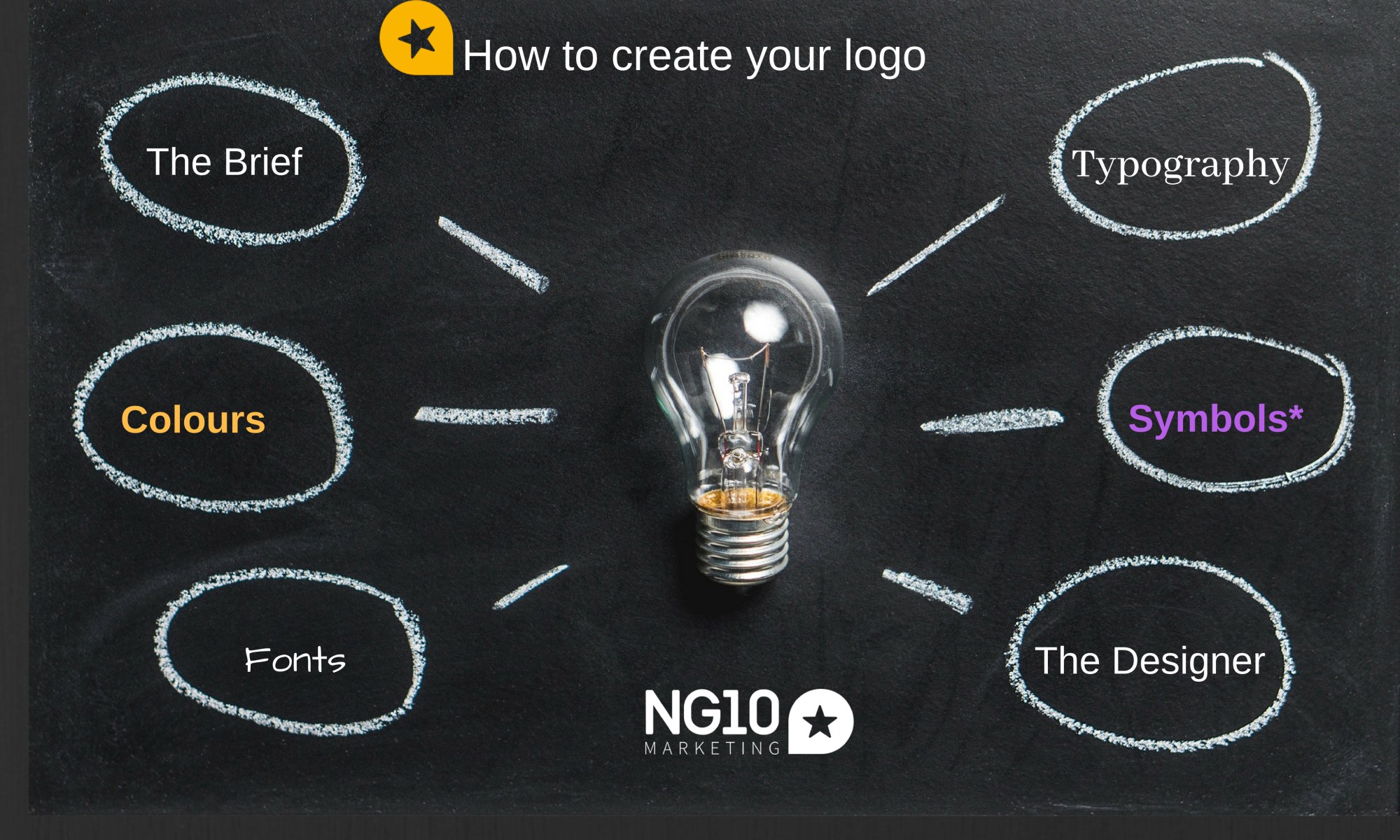
When designing a logo a good designer will consider many factors that reflect the brand personality and this is why certain colours, fonts and typography are chosen. If it was easy then we could all do it, but it is an art form and psychology play a big part. Remember they will design for your customer and the product not just you, so value their opinion. You don’t have to accept the designs but a good designer will always give you a reason why they have designed something in a specific way.

With my logo, the lovely designers at One Studio used fonts that are contemporary and included a device that reflects my business.  The pin point represents the local business offering, something you would expect to see on a map and the star is a symbol of inspiration and creativity which is what I aim to deliver to my clients. And last but not least the colours chosen capture what values I offer, In the black is it about the traditional buisness approach to strategy, and the yellow reflects the positivity and creative side that NG10marketing offers.

Colours

Colour evoke emotions, capture a personality and can have a huge impact on the success of a product and the credibility of a business. Certain colours are interpreted to influence our mindset. For example, did you know that yellow is associated with taste. Think of McDonald’s and The happy egg co. Both brands promote taste of their products. Yellow is optimistic and bright like the sun, hues and gradients can either make the brand stand out like the golden arches of McDonalds or in the case of UPS offer an earthy golden tone suggesting a grounded and reliability to its brand. Let your designer guide you with colour choices as in some cases certain colours can be identified with an industry. Blue for example is often seen in technology, construction and medical, whereas green is associatedwith being fresh and can be found within the environmental sectors.

Fonts & Typography 

When it comes to fonts, make sure your designer understands Typography, this is an art form and a good designer will have a portfolio of work that demonstrates this. It is the technique of arranging type to ensure your logo is legible and appealing when displayed. Just like colours there are psychological factors realted to a font type and can has been categorsied into 5 types here. It includes Serif, San serif, Script, Modern and Display.  See image below whcih captures the concept well.  Symbols & Icons 

Finally symbols and devices can be a great asset to a business. Used in a variety of ways symbols represent the values of the business or the brand and lets face it we all know the success stories of Nike and Apple. Who hasn’t already played the logo game either online or by the traditional board game.

Your designer will be able to guide you on this according to the industry or product you have. When you are recognised for the symbol alone people will see a confidence within the brand and therefore trust this symbol as its trademark, which is another topic entirely.

blank-destination-geography-437646
Symbols can in time replace a business name and promote a confident brand. Photo by rawpixel.com

#NG10*Tip:  “Before you select your logo, place it on a sheet with all your competitor logos and see how it stands out. Does it offer something different and memorable?  It is a great way to check if the identity is credible.”

So now it’s time to think about the elements you will need to bring your business to life and start working towards that business plan. Most people will look for a website and while I am not a developer my next blog will help you to consider what elements you need to get started with your online profile.

So what’s it called again? How to think of a new product or business name.

A few years ago during an interview, I was asked one very important question before I left, and no it was not where does my accent come from, but to explain what I thought a brand was and why it differs from just a logo. My answer back then was concise, text book, in fact as I was starting my career and talking to a very accomplished fellow marketer, I need only explain the difference technically.

Now with over 20 years experience, today when asked by entrepreneurs or business owners, I may start with the same Wikipedia style answer, but will ask more questions of them in return, to uncover whether they are looking to develop a brand or just need a logo / corporate identity.

Here is a short Q&A that will help you to come up with your own brand name.

Question – Is a logo and a brand the same thing?

Answer – A brand is more than the logo, it is what your business, service or product stands for. A logo is the visual representation of what you are selling and is made up of fonts, colours and in some cases icons but how these are positioned together can heavily influence a customer to purchase.

Question – So how do I think of a name?

Answer – It’s not easy picking a name and it can be a gamble. If you get it wrong it could be more costly than you think. Apart from the due diligence legally when setting up a business name it is important to check out your competition and see how your product could be different to ensure you have a stand out on the shelf . A little research in store or through your desktop is a good place to start.

Next ask what is you are offering, what is the product.

NG10 Marketing
Choose the right name and then the logo will follow

Let me put things into context, why did I choose the name NG10 marketing. The simple answer is, if you think of what I do; Specialising in helping businesses within the Midlands with Marketing, then the answer should be pretty clear.  The combination of a postcode and what I do as a freelance consultant is simple but hopefully memorable.

When it comes to your own, consider names that will reflect what you do and aim to capture the personality of the business / product. Consider how relatable it will be to your target market. Sometimes we try to be clever or witty about the name of our business and if this reflects you or your products personality then go for it . I recall a creative session where it was suggested that if you pick any colour and any animal or object you can pretty much create any new agency name. While it was fun, we didn’t go with “Purple Octopus”, as it had no resemblance to what we offered as a business and funnily enough it already existed!

So don’t beat yourself up when it comes to naming the business or product, try working collaboratively with colleagues or get some independent advice to help. Creative agencies and brand specialists are best if you have the budget. But if not then gather friends /family together and ask these simple questions…

  1. What do you do or what is the product?
  2. What is the one thing that makes you / it different?
  3. Who is your target market and who will buy it?

With just these three categories explored you will certainly have the architecture or blue prints to start exploring names.

Next step write all the ideas down on paper, print them out and stick them to a wall and begin eliminating them until you are left with the one to test.

Once you have chosen a name, all you have to do now is brief your designer.

If you are looking to start a business and need support in coming up with a name or need help working with a creative team on developing your brand, then give me a call and I can help co-ordinate this project for you while helping you to uncover the long term vision for the brand.

Email hazel@ng10marketing.co.uk today.

Next blog : What your logo should be and how to brief the design team

Welcome to NG10…

Lets start with some introductions…

I am a friendly, strategic marketer with over 20 years’ experience in planning and implementing creative campaigns for national brands and regional businesses. Having worked both agency and in house I understand the value of budget control, thinking creatively and appreciate how insights and data driven results can help improve a business.

Thanks to agency life I have had the pleasure of working with a variety of clients from property and heritage to food and finance. This mix has helped me to specialise in developing customer centric marketing campaigns that are always targeted and offer a creative integrated approach.

I believe in setting goals first, and developing a clear plan of action in order to align sales and marketing in the long term and deliver growth for a business. A keen advocate of HubSpot and digital marketing inbound methodology, I can help a business build a customer profile, consider the buyers journey as well as offer a tactical strategic marketing plan to deliver both business and marketing objectives.

Getting to know the customer is the key and thinking creatively about how your product or service will appeal to them. Thinking about communication and using social media is just one factor I can help with. From brand development and full online profile management to the implementation of campaigns, I can manage the marketing tasks that are essential for the business, that you just don’t have the time for.

So why not get in touch?